 Stud Earrings Virtual Try On Pricing: What to Expect, Tiers, and How to Keep Costs Low
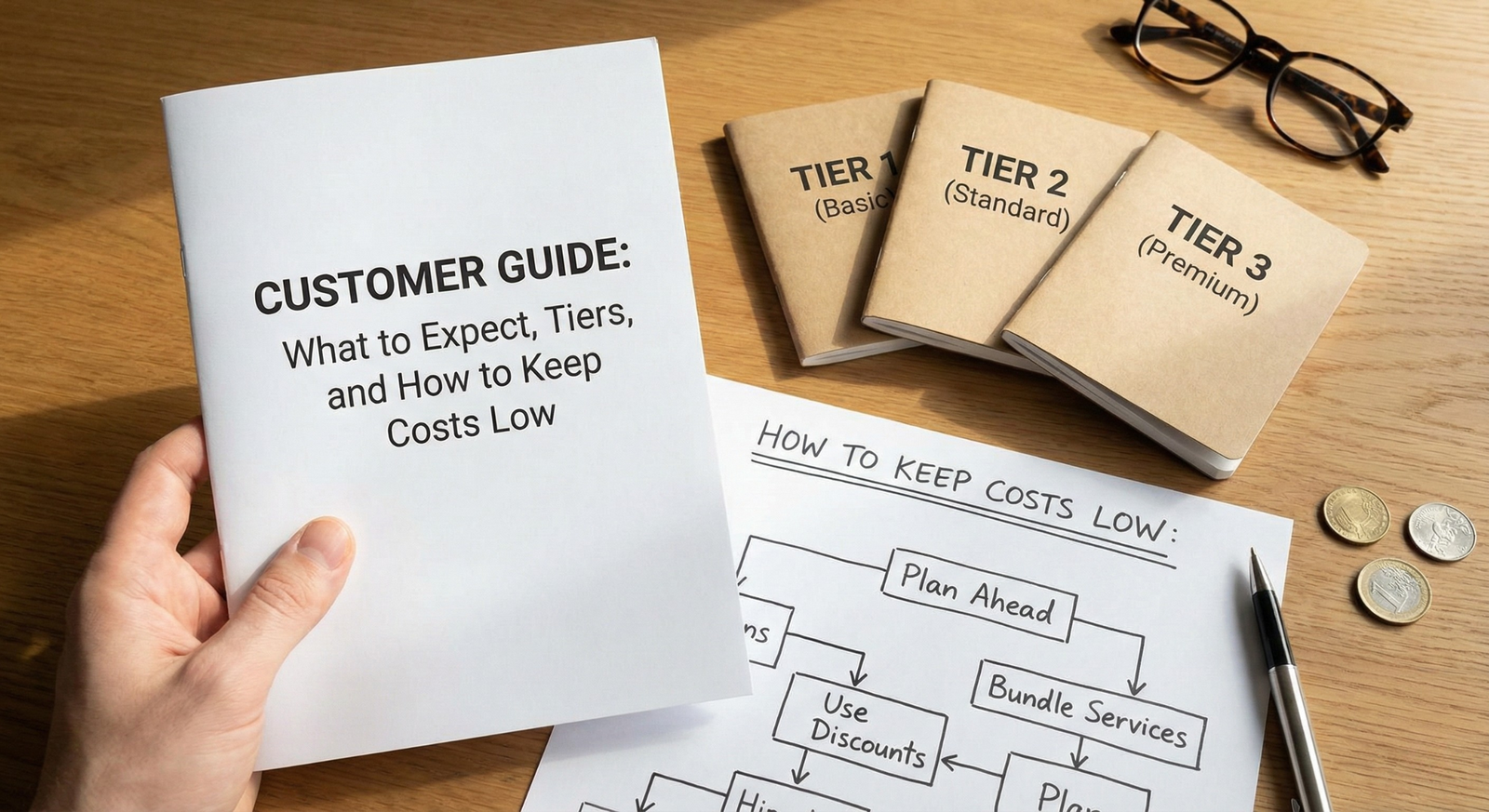 Stud Earrings Virtual Try On Pricing: What to Expect, Tiers, and How to Keep Costs Low
Quick Summary:
- Choose a link-based pilot for a small catalog (10–30 SKUs) to gauge rapid uplift.
- Cost is most influenced by asset realism (2D vs. 3D/photogrammetry), number of SKUs, and level of support/SLAs.
- No-code/link-based solutions like tryitonme.com offer a quick launch without engineering.
- Compare pricing models (per-SKU, subscription, pay-per-use, enterprise) and request sample deliverables before purchasing.
Introduction
If you’re shopping for stud earrings virtual try on pricing to compare vendors, estimate a budget, or choose the right solution for your store, this guide will walk you through realistic expectations and an actionable buying path. As a zero‑code, link‑based option, tryitonme.com offers fast deployment via a shareable product link and simple onboarding — buy a 6‑month package by SKU count, send product photos, the tryitonme team/AI handles AR processing, and you receive a ready‑to‑use try‑on link in under 3 business days. Think of this as a practical advisor’s playbook to help you get quotes that are actually comparable. See a brief writeup at cermin.id.
Who this guide is for & search intent
This article is written for:
- Ecommerce managers evaluating VTO options
- Jewelry buyers and merchandisers assessing costs
- Product managers planning AR pilots
- DTC founders deciding whether to pilot or build
Intent: you want to compare pricing models, learn the main cost drivers, and prepare vendor questions so you can get accurate quotes and pick the right package.
Quick definitions: What is virtual try‑on for stud earrings?
Virtual try‑on (VTO) for stud earrings is an ear‑anchored augmented reality experience that places a realistic rendering of a stud directly on the customer’s ear in camera preview or photos. This differs from general face‑anchored AR (e.g., lipstick or glasses on the face) because earrings require precise ear anchoring, accurate scaling to earlobe size, and convincing metal/gemstone rendering. For context and examples of jewelry brands using AR for try‑ons, see BrandXR’s collection of brands and implementations and a roundup of earring tools at Glamar’s overview.
Links: BrandXR: jewelry brands using AR, Glamar: best virtual earring tools, and background at cermin.id.
Why VTO matters for stud earrings
Short business benefits:
- Reduced uncertainty for buyers → fewer returns and exchanges (cite vendor benchmarks when available).
- Higher conversion: customers are more likely to buy when they see how a product looks on them.
- Increased average order value from add‑ons and ear‑stacking purchases.
- Better social engagement and on‑platform sharing opportunities.
Virtual try on pricing: core inputs that change cost
Pricing varies; these are the main drivers buyers should expect. Use this as a checklist when comparing quotes.
Number of SKUs / catalog size
Each SKU typically requires setup work (asset creation, QA, metadata). Larger catalogs usually qualify for volume discounts. Ask vendors how they price per‑SKU onboarding and where bulk thresholds apply.
Asset type: 2D overlays vs 3D models vs photogrammetry
2D overlays are fastest and cheapest but less realistic across angles. Full 3D models or photogrammetry deliver the most accurate reflections and depth but require more modeling time and cost more. See a quick explainer at cermin.id on 2D vs 3D.
Material realism & gem/metal rendering
Precious metals and faceted gemstones need advanced PBR (physically based rendering) to look convincing under varied lighting; expect higher production and QA effort for high‑fidelity rendering.
Fit/sizing logic and ear anchoring calibration
Accurate ear placement requires ear‑landmark detection and scaling logic; complicated ear shapes or options for multiple backings/types may increase QA and calibration time. See related accuracy considerations used in eyewear VTO that translate to jewelry landmarking and occlusion work: cermin.id eyewear accuracy.
Face/ear detection & AR accuracy (performance, cross-device)
Ensuring consistent performance across devices and browsers adds testing time. Social platform compatibility (Instagram, Snapchat) can add development/packaging work.
Delivery model: link-based vs SDK/API
Link-based (no‑code) delivery is lower friction — no dev integration needed. SDK/API solutions require engineering effort and ongoing maintenance, usually increasing total cost of ownership. For pricing and no-code package examples across accessories, see this overview: cermin.id tryitonme pricing.
Hosting, traffic and per‑view pricing
Some vendors charge per session/impression or for bandwidth-heavy assets. Ask about limits, overage fees, and whether hosting is included.
Analytics, admin portal, SLAs, support
Tiered support, admin features, and uptime SLAs can be part of monthly fees. Higher SLA/support levels typically increase recurring costs.
Extra features: social sharing, multi-angle viewer, try-on mirror
Add‑ons such as shareable look cards, multi-angle viewers, or downloadable try‑on photos are often priced separately.
Pricing models explained
Common commercial models and who they fit:
No‑code / link‑based subscription (recommended for pilots and most DTC brands)
Pros: Fast to launch, no developer resources needed, works across web, mobile, and social channels via a sharable product link. Example vendor: tryitonme.com. Cons: Less flexible for deep platform customization than an SDK.
Per‑SKU setup + recurring license
Pros: Clear per‑asset cost and ongoing platform access. Fits brands with predictable catalogs. Cons: Costs scale with SKU count; watch for per‑SKU renewal terms.
Pay‑per‑use / impressions / sessions
Pros: Good for campaign or low‑volume brands; you pay for actual usage. Cons: Monthly costs can be unpredictable if sessions spike.
Enterprise / custom builds (SDK/API)
Pros: Fully customizable, deep integration, control over UX and analytics. Cons: Higher upfront dev cost, longer timelines, ongoing maintenance.
Sample “virtual try on packages” (illustrative estimates)
The examples below are illustrative only — replace with vendor quotes when available.
- Starter (example estimate): Pilot 10–30 SKUs. Basic 3D/2.5D assets, link‑based deployment, analytics dashboard, email support.
- Growth (example estimate): 30–200 SKUs. Higher fidelity rendering, priority onboarding, basic SLAs, limited custom features.
- Pro / Enterprise (example estimate): Custom pricing for large catalogs, SDK access, white‑label portals, dedicated support.
Cost breakdown example: estimating the cost of stud earrings try on (hypothetical)
Below is a transparent worked example — all figures are example estimates for illustration only.
- Per‑SKU setup: $X per SKU (example estimate)
- One‑time catalog setup (30 SKUs): 30 × $X = $Y (example estimate)
- Monthly platform fee (link hosting, analytics): $M / month (example estimate)
- Optional per‑session fee: $P per 1,000 sessions (example estimate)
Simple breakeven example: if monthly fee M = $1,000 and AOV = $80, required additional monthly purchases to cover M = 12.5 orders. Do not assume uplift percentages without vendor case studies — measure with a pilot.
Why tryitonme.com is the Right Fit for Your Business
- Zero‑code, link‑based deployment: shareable product links that work across web and social without SDK integration — tryitonme.com.
- Fast onboarding: buy a 6‑month package by SKU count; submit standard photos; tryitonme team/AI creates AR assets.
- Rapid delivery: receive a unique, ready‑to‑use try‑on link in under 3 business days.
- Low technical overhead: no engineering time required to launch a pilot.
Comparison: No-code link-based VTO (tryitonme.com) vs SDK/API custom builds
Link‑based (tryitonme.com): Speed to launch typically fastest; pilots can be live in days. Lower up‑front dev cost and predictable onboarding fees. Vendor handles AR assets and hosting.
SDK/API: Slower to launch, requires dev resources and QA (weeks–months). Higher initial development and integration expense and ongoing maintenance.
Timeline & implementation steps (practical roadmap)
Link‑based pilot (typical):
- Discovery & SKU selection — 1–3 days
- Submit product photos — same day
- Asset creation & QA by vendor/AI — up to 1–3 business days (tryitonme: unique link in under 3 business days)
- Internal review & testing — 1–3 days
- Launch link on product pages, ads, or social — immediate
SDK/API build (typical): discovery & scoping, asset creation, dev integration & QA, cross‑platform testing, then launch — timelines often range from weeks to months.
ROI & metrics to measure
Track these KPIs:
- Conversion rate lift (A/B test)
- Return rate change
- Average order value (AOV)
- Session engagement (time on page, interactions)
- Share/viral rate (how often try‑ons are shared)
- Assisted conversions from social links
Simple ROI formula (illustrative): Incremental revenue = baseline monthly revenue × conversion uplift (U%). Net benefit = incremental revenue − monthly cost (M). Measure U with an A/B test during your pilot.
Buyer checklist & questions to ask vendors
- How do you price per‑SKU onboarding and do you offer bulk discounts?
- What asset types do you support (2D overlay, full 3D, photogrammetry)?
- Can you show sample deliverables and fidelity levels?
- What is included in the monthly fee (hosting, analytics, support)?
- Are there per‑session or bandwidth charges?
- Who owns the 3D assets and data?
- What SLAs and support levels are included?
- Can I get a link‑based demo before buying? See vendor checklist.
FAQ
Q: What is the typical stud earrings virtual try on pricing?
A: Pricing varies widely by SKU count, asset fidelity, and delivery model. Example estimates are shown in this article — request a custom quote from tryitonme.com for exact pricing.
Q: How do virtual try on packages differ?
A: Packages typically differ by number of SKUs, asset fidelity (2D vs 3D), support levels, analytics access, and SLA terms.
Q: What affects the cost of stud earrings try on most?
A: Top three drivers: asset realism (3D/photogrammetry), SKU count, and required analytics/support levels.
Q: Can I try a link‑based demo before buying?
A: Yes — tryitonme.com offers demo links so you can test the experience before committing to a package.
Q: Who owns the assets and what SLAs should I expect?
A: Ownership and SLA terms vary by vendor — include ownership and SLA questions in your RFP and get them in writing before purchase.
Final recommendations & decision framework
- Small catalog (under ~30 SKUs): pilot with a link‑based provider to validate ROI quickly.
- Mid catalog (30–200 SKUs): compare per‑SKU setup vs volume discounts; run a pilot for representative SKUs.
- Enterprise (>200 SKUs): evaluate custom builds and SLAs; consider hybrid models (link‑based for marketing + SDK for owned channels).
- Recommendation: pilot 10–30 SKUs to validate uplift before scaling. For broader context see cermin.id.
Call to action
Primary CTA: Request a demo or try a free demo at tryitonme.com. Secondary CTA: Use the ROI estimator or talk to an expert to get a tailored quote.
Content production notes & next steps
- Tone: commercial and consultative. Label all sample numbers as “example estimates.”
- Get up‑to‑date pricing & package details from the tryitonme product team to replace estimates and secure 1–2 customer case studies or screenshots.
- Source industry benchmark citations for conversion lift / return reductions and build the pricing table and ROI estimator widget.
Final note: Do not accept price or ROI claims without vendor documentation — any numeric claim should be replaced with verified pricing or clearly labeled “example estimate.” For exact stud earrings virtual try on pricing and a personalized quote, book a demo with tryitonme.com.