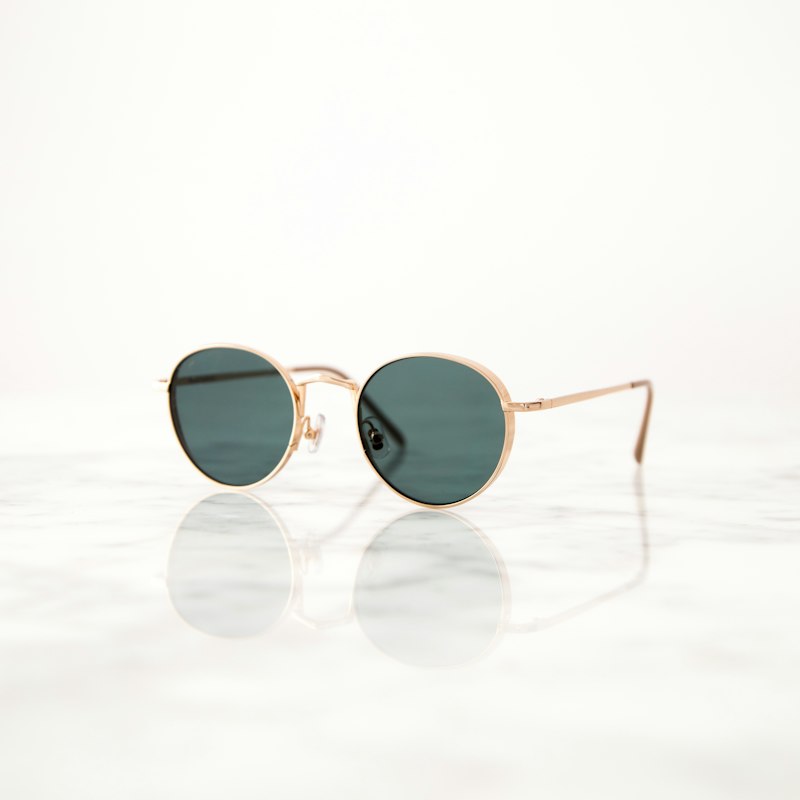
Cover Image

Eyewear Reflection Try On: Simulating Reflections, Lens Glare, and Lighting Conditions for Better VTO

Ringkasan Cepat

An effective eyewear reflection try on shows shoppers not just how frames fit, but how lenses behave under real-world light — including reflections, glare, and subtle color shifts. Static photos can’t convey those optical cues, which is why a lighting-aware virtual try-on (VTO) is essential for customer confidence and accurate expectations. tryitonme.com delivers a zero-code, link-based VTO that produces lighting-aware previews without any SDK or API integration.

Why reflections, glare and lighting matter for eyewear ecommerce (lighting conditions try on)

Customers decide on eyewear partly by how lenses and frames react to light. When reflections or glare are missing or inconsistent with real life, shoppers can feel uncertain, which affects engagement, conversion, and returns. For product and business teams, that translates into three core business impacts:

To address this, you need to solve three technical challenges:

  1. Accurately model reflections on curved glass and metal.
  2. Simulate lens glare (bloom, flare, specular highlights).
  3. Match lighting conditions across typical shopper environments.

We’ll unpack each of these and give practical options you can choose based on timeline, engineering capacity, and desired realism.

Fundamentals — What causes eyewear reflections and glare (lens glare try on)

At a high level, reflections and glare come from how light interacts with surfaces. Two useful distinctions:

Two physical and rendering concepts you’ll see repeatedly:

Rendering toolset (high-level):

Think of a lens like a curved, partially reflective mirror with coatings that modify both specular intensity and tint. Curvature concentrates highlights; coating reduces or shifts them. In VTO, you replicate these behaviors via PBR materials, environment lighting, and selective post-processing (bloom/flare).

Technical approaches to eyewear reflection try on

There are three common technical paths to simulate eyewear reflections:

Each has trade-offs around realism, performance, engineer effort, and cross-platform coverage.

For realistic reflections, IBL + HDRI is the practical standard: using real-world environment maps produces natural highlights and directional light behavior. HDRI resources are available on Polyhaven. For PBR workflows and hands-on rendering guidance, reference a PBR tutorial like LearnOpenGL’s PBR overview.

Static compositing vs real-time PBR vs ML relighting

Quick comparisons — pros and cons:

Graphics effects you may layer on top of these approaches include bloom and lens flare.

Recommended approach by timeline:

Note: include “eyewear reflection try on” as a label in H1, intro, and prominent technical sections for SEO clarity.

Handling lens glare try on

Lens glare try on is about simulating blooms, flare, and specular highlights that happen when bright light hits the lens. Lens glare is distinct from broad reflections and is often what convinces a user that the preview matches their real-world experience.

Technical techniques to emulate lens glare:

Practical developer tips:

  1. Use HDRI-based lighting for consistent highlight placement.
  2. Simulate camera aperture and exposure to control bloom behavior.
  3. Tune bloom thresholds per SKU; shiny metal frames and mirrored lenses need different settings than matte frames.
  4. Expose a UI glare toggle so users can compare “glare on” vs “glare off” and see the difference.

User experience suggestions:

Simulating lighting conditions try on

Realistic lighting conditions try on means showing eyewear under multiple common lighting situations: neutral indoor, bright daylight, golden hour, fluorescent office, and night with artificial spotlights.

How to approach this:

Device/browser constraints and fallbacks:

Short copy you can use to instruct customers for best relighting:

“Stand facing a window or a single bright light. Keep your phone about 18–24 inches (45–60 cm) from your face. Avoid strong backlight for the most accurate preview.”

Practical implementation options and trade-offs (eyewear reflection try on)

When planning implementation, consider these three options with straightforward trade-offs:

Option A — Full AR / SDK integration

Option B — Image-to-image compositing

Short comparison (decision quick-check):

Why tryitonme.com is the Right Fit for Your Business

tryitonme.com is built for brands that need realistic accessory VTO without heavy engineering. Key benefits:

Want to see it in action? Book a Demo: tryitonme demo — or start a setup: tryitonme signup.

UX and merchandising best practices (lighting conditions try on)

Practical UX patterns increase engagement and help shoppers make choices:

Testing, metrics, and validation (eyewear reflection try on)

Instrument the try-on experience to learn what drives conversion:

Suggested KPIs

A/B test ideas

QA checklist (cross-device fidelity)

For tryitonme product links, instrument: click → try-on session start → engaged actions (lighting changes, save/share) → demo or purchase. For a practical measurement plan and event suggestions for VTO KPIs, see: VTO analytics guide.

Implementation checklist (lens glare try on)

  1. Collect HDRIs or pick preset HDRIs from a small library (indoor, outdoor, golden hour).
  2. Prepare product assets: standard product photos (front and side) for eyewear; provide SKU list. Reference: product asset guide.
  3. Submit assets to tryitonme (or your chosen vendor) and configure lighting/reflection presets.
  4. Receive the unique try-on link and embed/share on product pages, social posts, and marketing campaigns.
  5. Monitor analytics and iterate on lighting presets and UI copy.

Timeline note: with tryitonme’s link-based workflow, the team/AI processes assets and delivers a ready-to-use try-on link in under 3 business days.

Conclusion and call-to-action (eyewear reflection try on)

Realistic eyewear reflection try on, accurate lens glare try on, and thoughtful lighting conditions try on are essential to give shoppers a clearer sense of how eyewear will look and perform. If you want speed plus convincing visual fidelity without an engineering project, tryitonme.com’s link-based, zero-code VTO is designed to get you live quickly and iteratively.

See a demo and book time with the team: tryitonme demo
Ready to start your setup: tryitonme signup

Visual & interactive assets (editor notes)

Recommended assets to include in the post:

Accessibility: provide alt text and short captions for each image (e.g., “Before/after: eyewear on model — left no reflections, right IBL reflections applied”).

SEO & editorial guidance

Deliverables for the content owner

If you want, I can produce the accompanying visuals (before/after images, preset mockups) and a short GIF of the tryitonme link in action to embed in the post. Would you like me to prepare those next?

FAQ

Q: What is eyewear reflection try on?

A: It’s a virtual try-on experience that simulates how light reflects off lenses and frames so shoppers can see realistic highlights, mirrors, and environment reflections while previewing eyewear.

Q: How do you simulate lens glare try on?

A: Lens glare is simulated using bloom, flare textures, and thresholded highlights on lens areas, combined with HDRI-based lighting and camera exposure simulation (see bloom and lens flare concepts: bloom and lens flare).

Q: How do lighting conditions try on affect the experience?

A: Different lighting (indoor, outdoor, golden hour, fluorescent) changes highlight intensity, color temperature, and perceived contrast. Using a representative set of HDRIs lets you show how an eyewear SKU behaves across typical shopper environments (IBL primer: Image-Based Lighting).

Q: How fast can I implement VTO without code?

A: With a link-based provider like tryitonme.com, onboarding follows a simple process: purchase a 6‑month package for the number of SKUs, send standard product photos (front/side), the tryitonme team/AI handles AR processing, and you receive a ready-to-deploy try-on link in under 3 business days.

Q: Which approach gives the best reflection fidelity?

A: Full AR/SDK with client-side PBR delivers the highest fidelity and dynamic reflections. Link-based server-side PBR is a strong middle ground for realism vs. speed; static compositing is fastest but least dynamic.

Q: Where can I find HDRIs and PBR resources?

A: Good resources include Polyhaven HDRIs for environment maps and tutorials like LearnOpenGL’s PBR overview for material workflows.

Scroll to Top